THE DUST OF SUNS
Ulrik Heltoft
A section of starry sky viewed from sidereal space to create an impression of infinity.
—Raymond Roussel, New Impressions of Africa (Nouvelles Impression d’Afrique)
Prior to the invention of the telescope in 1608, astronomer Tycho Brahe set out to measure the position of stars with unprecedented precision. On a private observatory built on Island of Ven, he constructed giant metal and stone instruments, rather than previously used wooden ones, to examine the dark expanse with his naked eye. Taking account of the altitudes and positions of stars as they cross over the meridian—he published a systematic map of the heavens in the first known Star Catalogue. His efforts were widely celebrated, particularly his novel observation of what we now know as a supernova in the constellation Cassiopeia, detailed in his seminal 1573 report De Nova Stella (The New Star). The spectacular event informed his Tychonic system, a model of the universe that boldly refuted the Aristotelian belief in a static celestial realm. A series of world-upending discoveries also led to Brahe’s hubristic downfall, culminating in a bloody duel over a mathematical dispute that left his nose badly severed. He wore a prosthetic nose for the rest of his life, long believed to be made of silver.
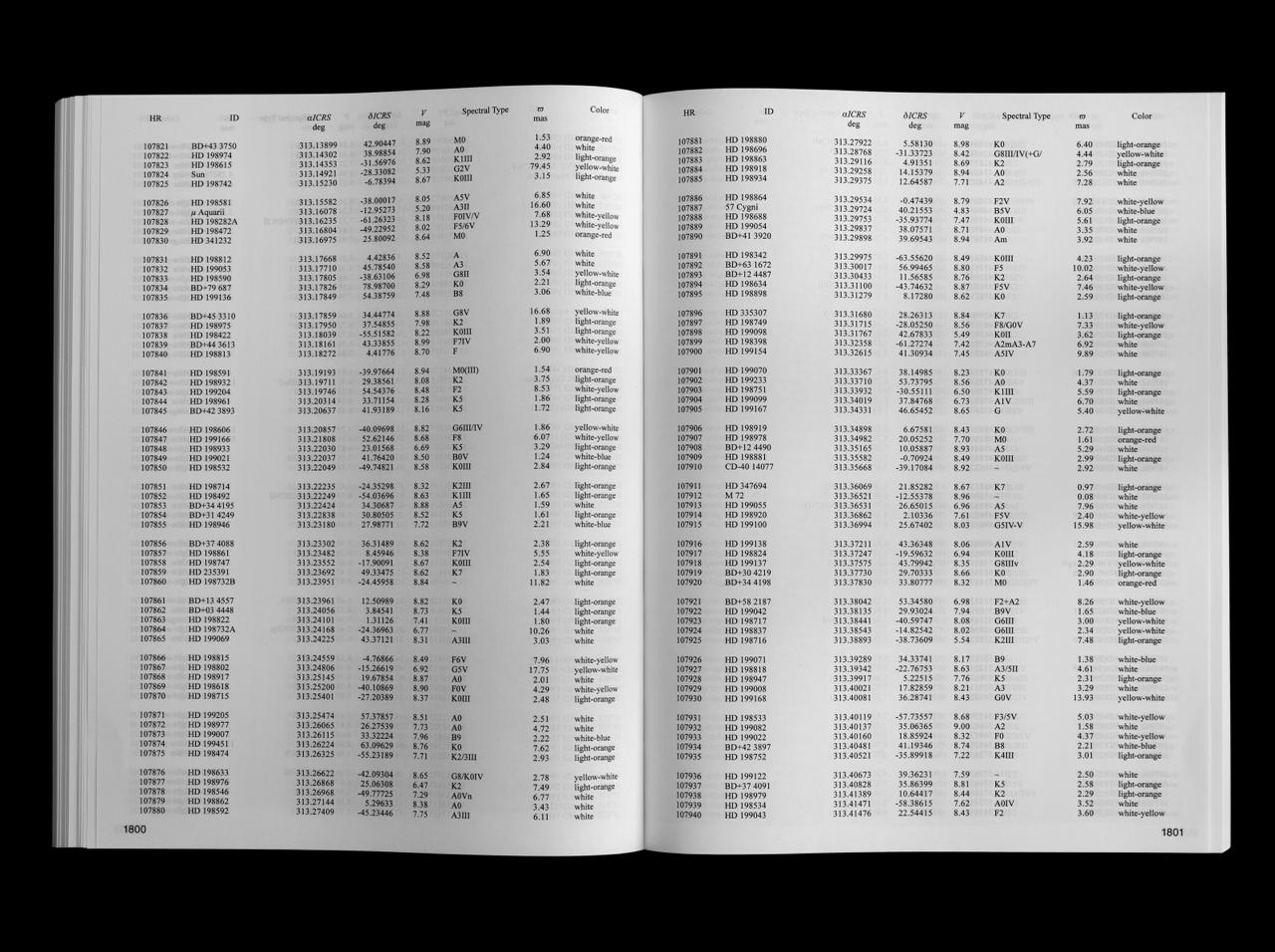
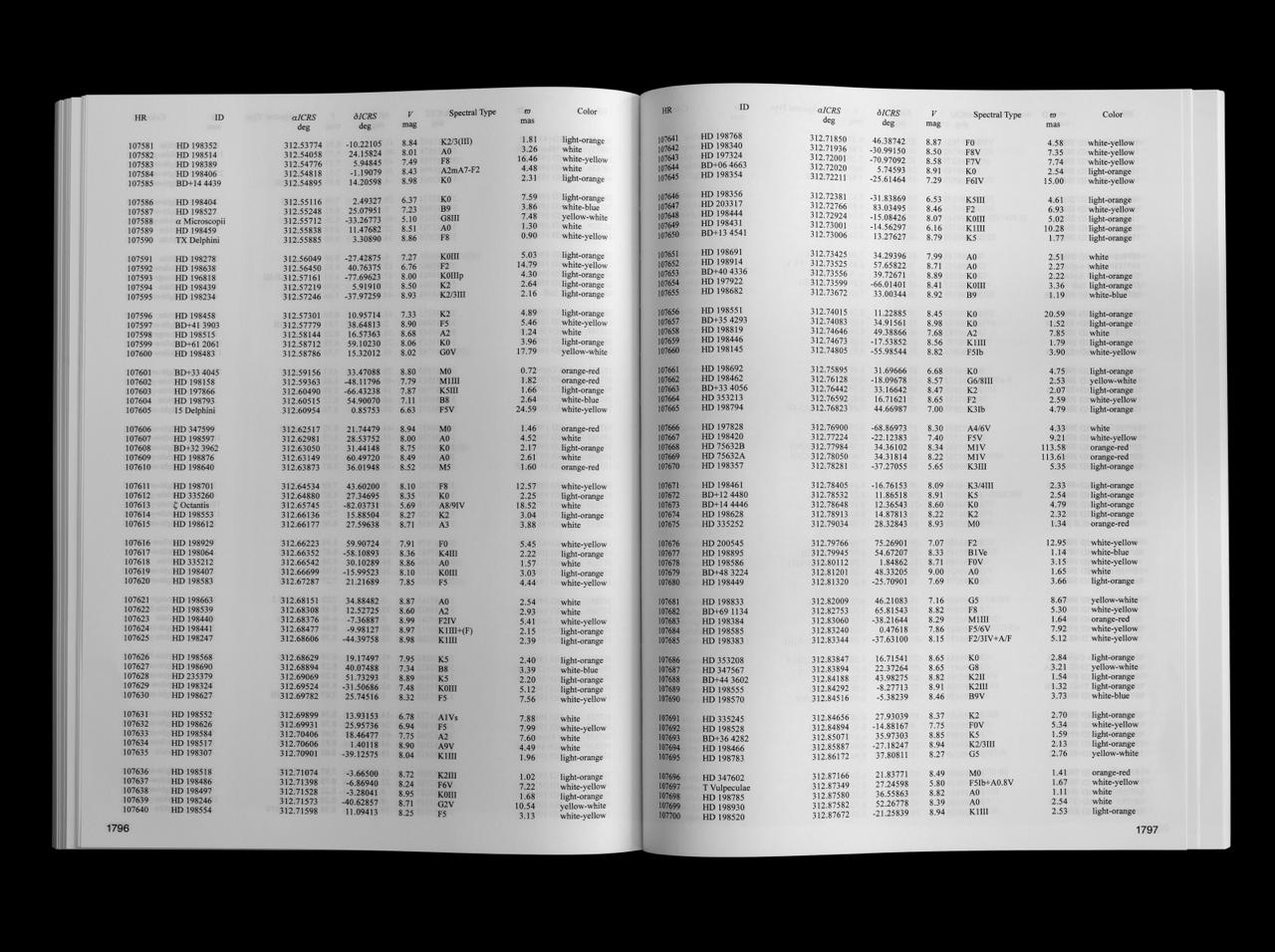
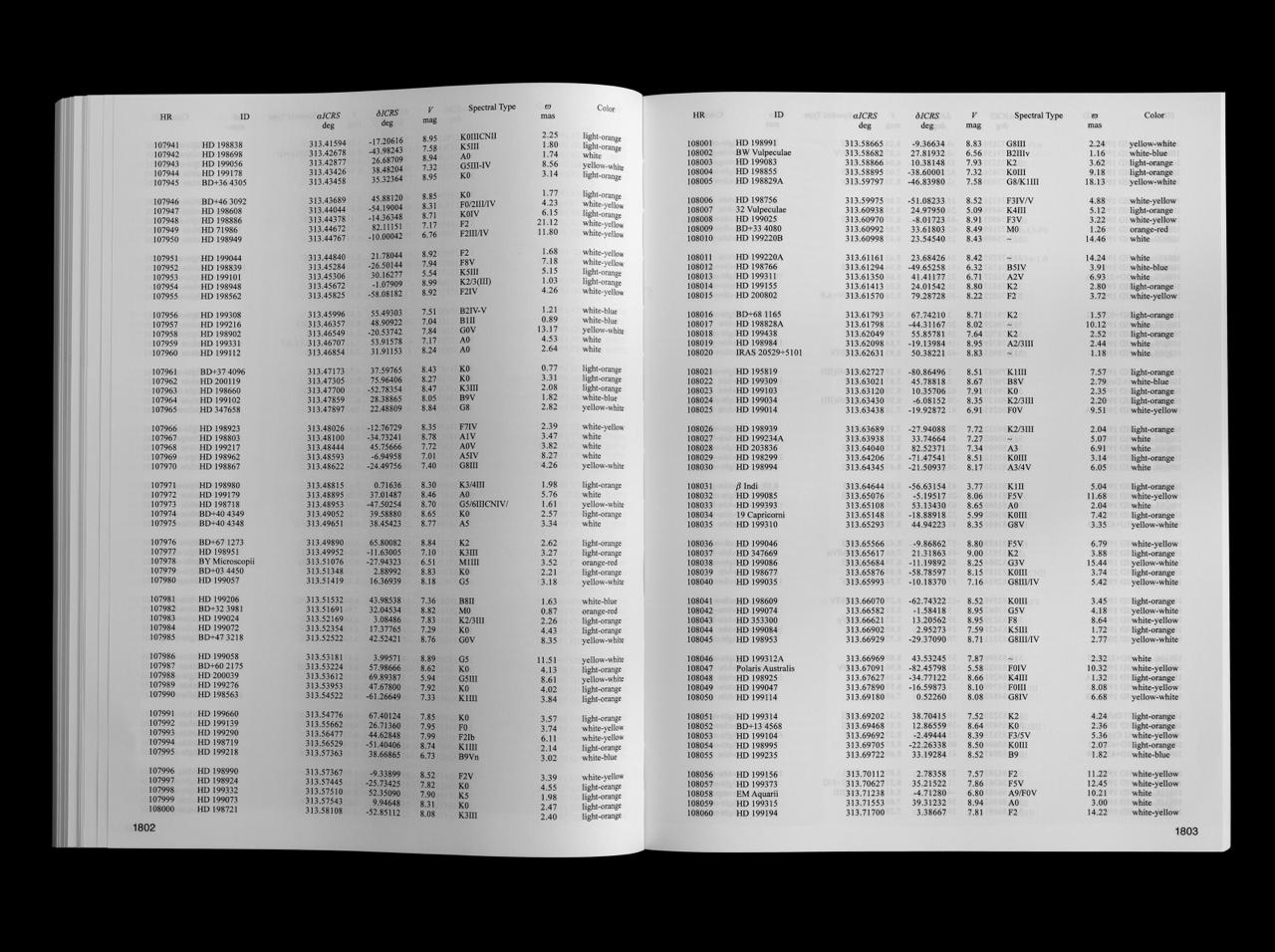
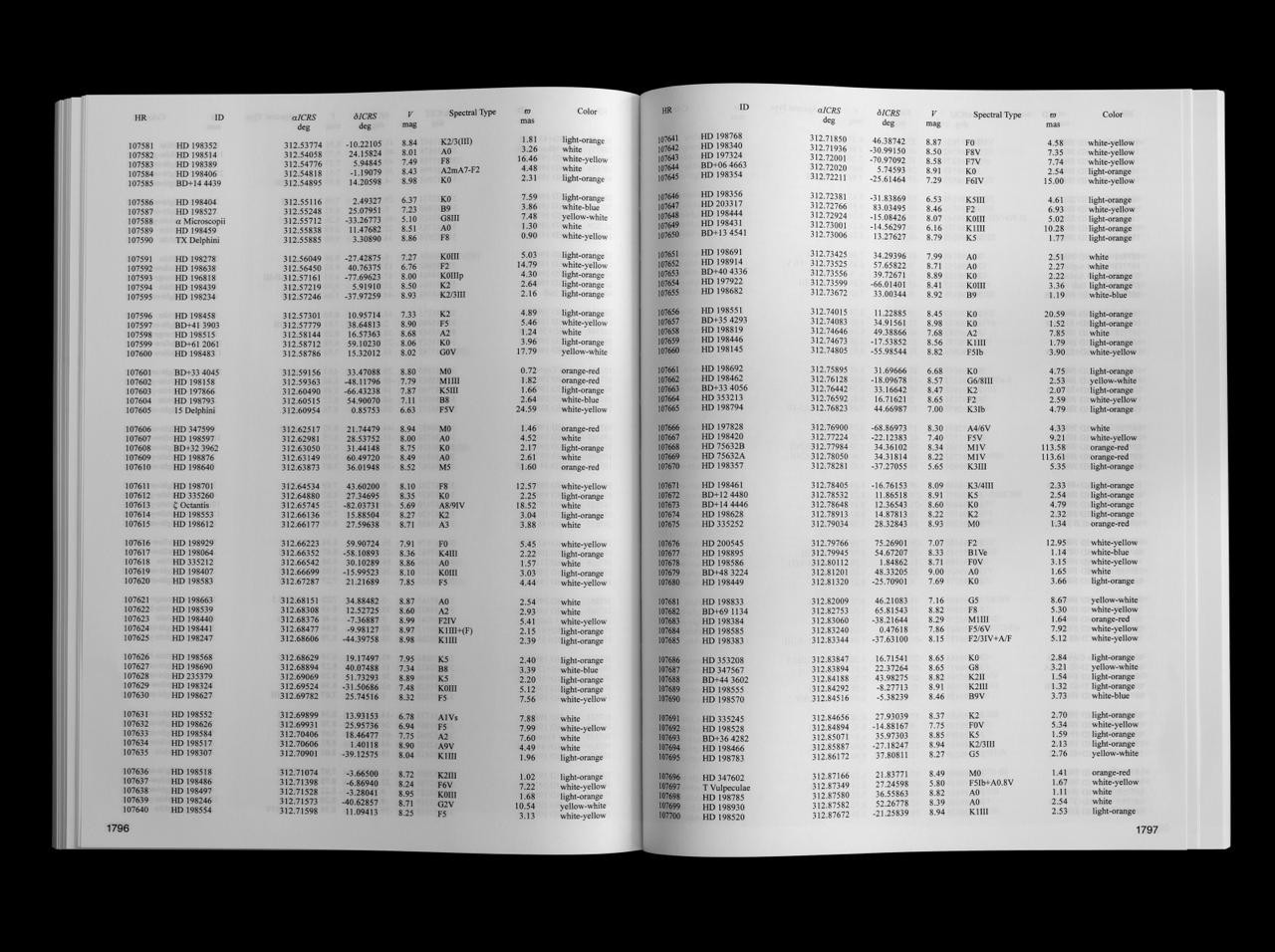
Brahe’s legacy lives on in the format he devised for his Star Catalogue, which has remained largely consistent to this day. The dense inventory, published in waves as new information is received, lists each star’s essential astronomical data: its ID, position, magnitude/brightness, motion, spectral type, parallax, velocity, etc. So too, the method of data collection continues to rely on the good-faith collaboration of global observatories. More than just a tool for studying stellar evolution and an aid for on-going space navigation, the vast compendium records the trans-historical and trans-spatial convergence of disparate but universally understood data points. For an object that cuts so deeply across cultural and political lines, it is astoundingly neutral—tacitly adapting to an unstable cosmology and our own capacity for knowledge.
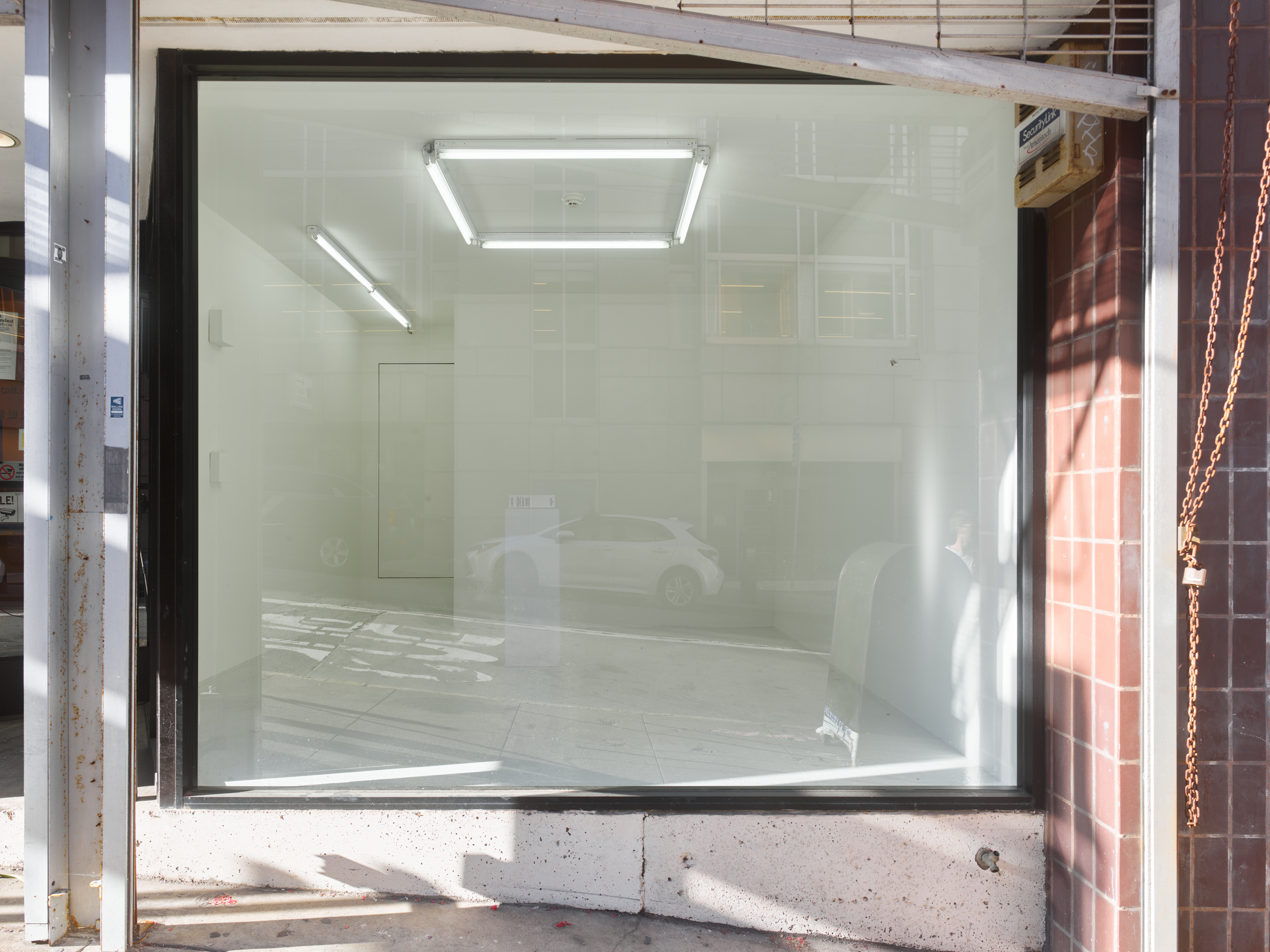
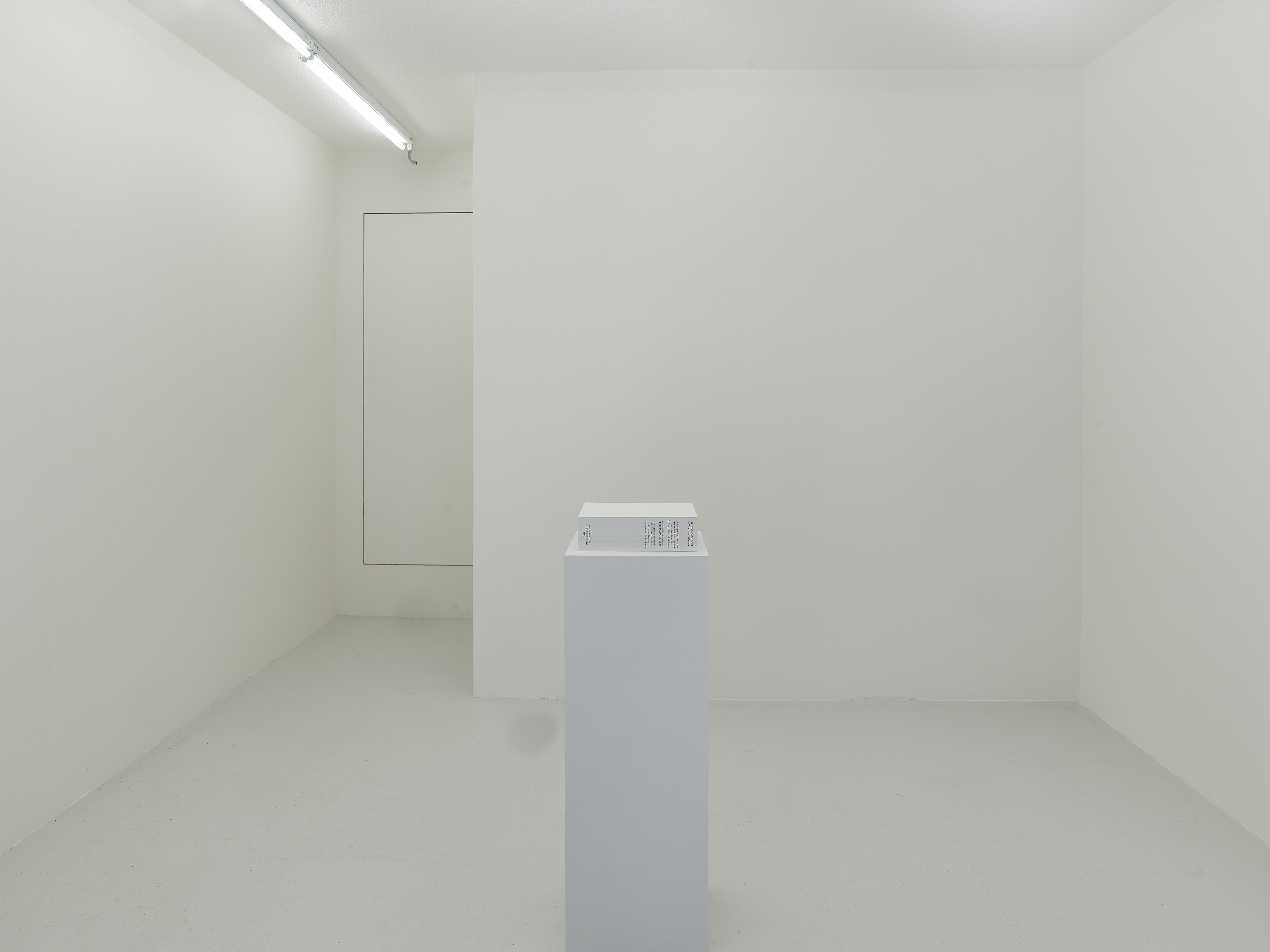
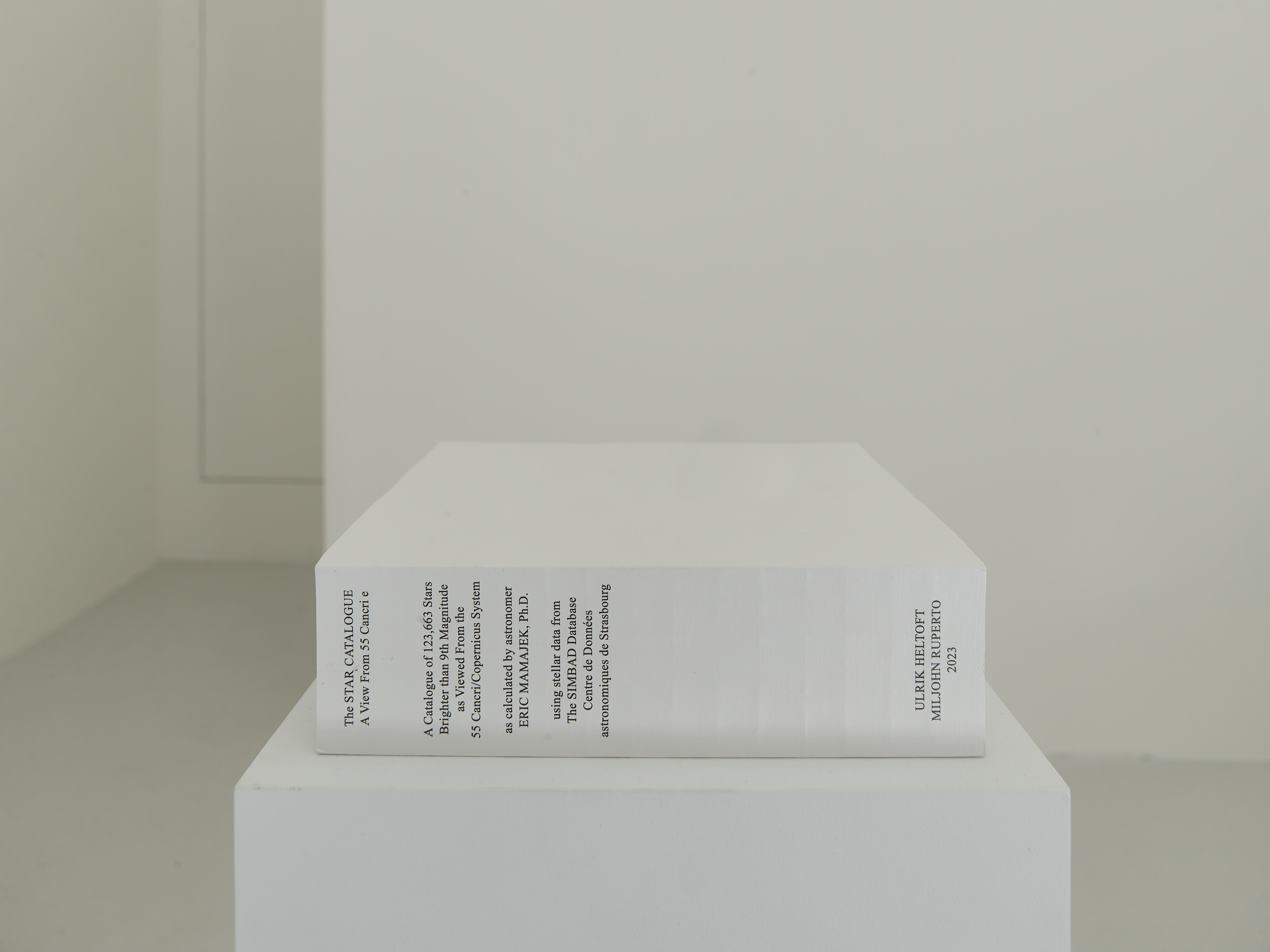
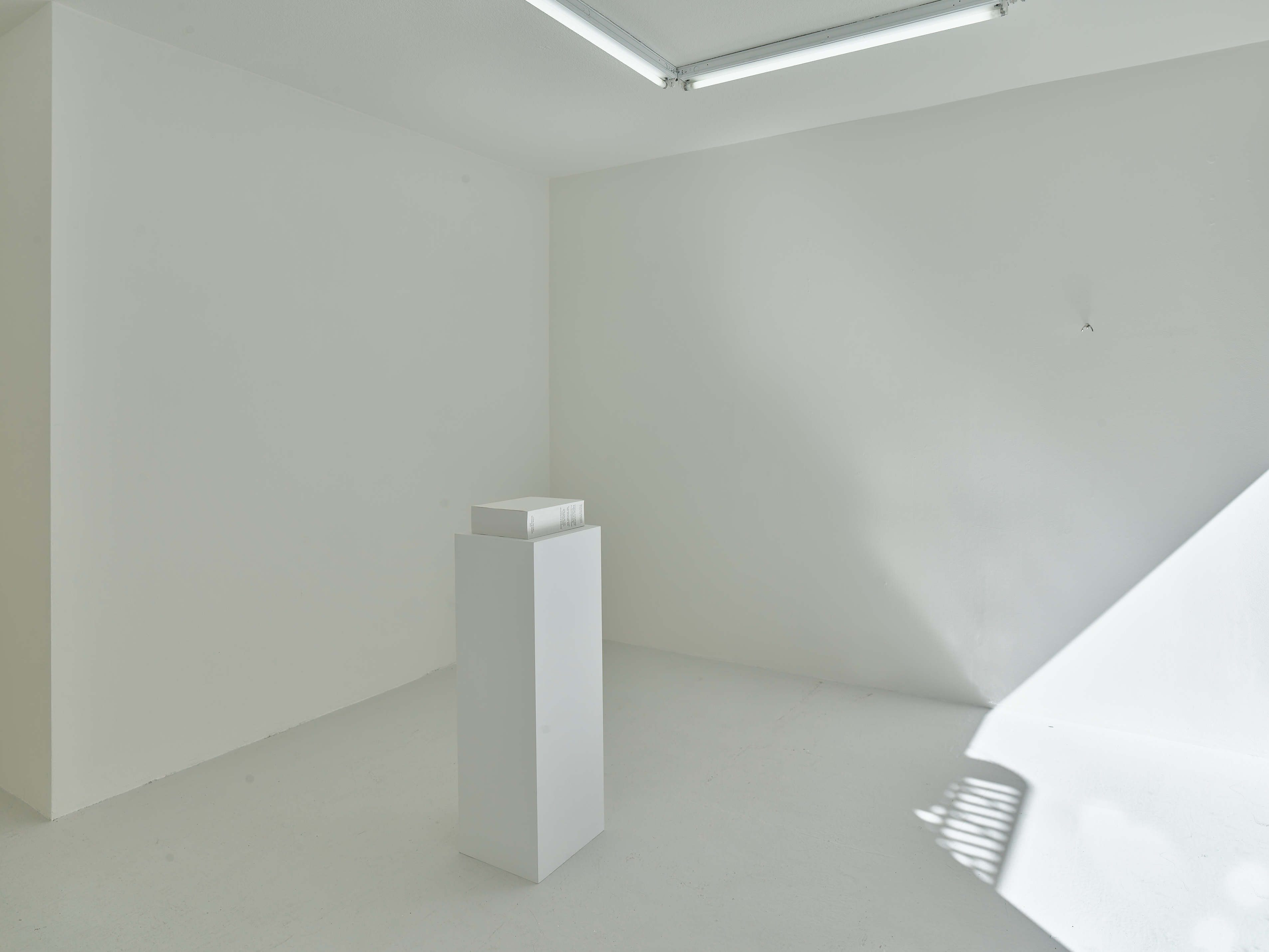
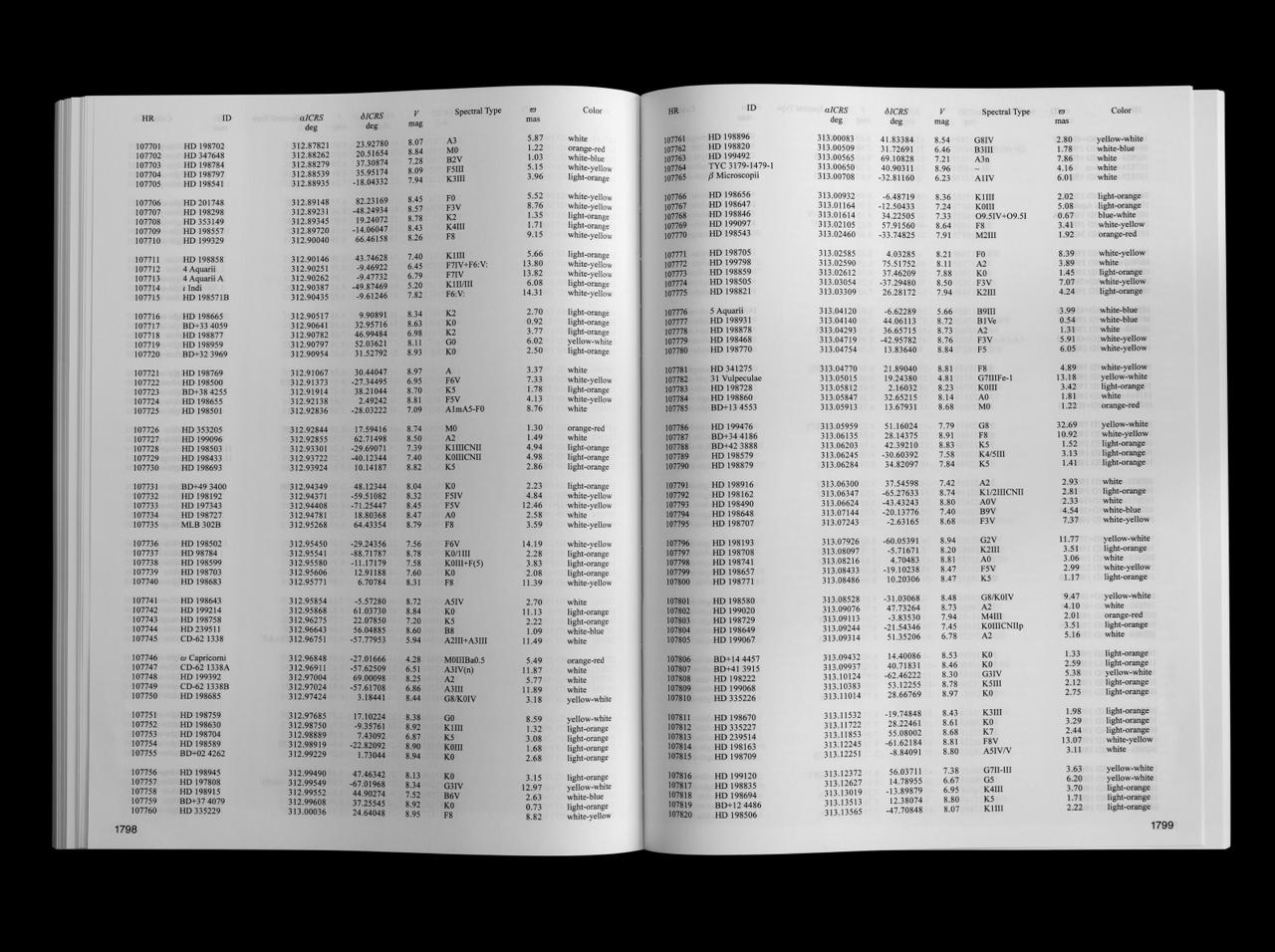
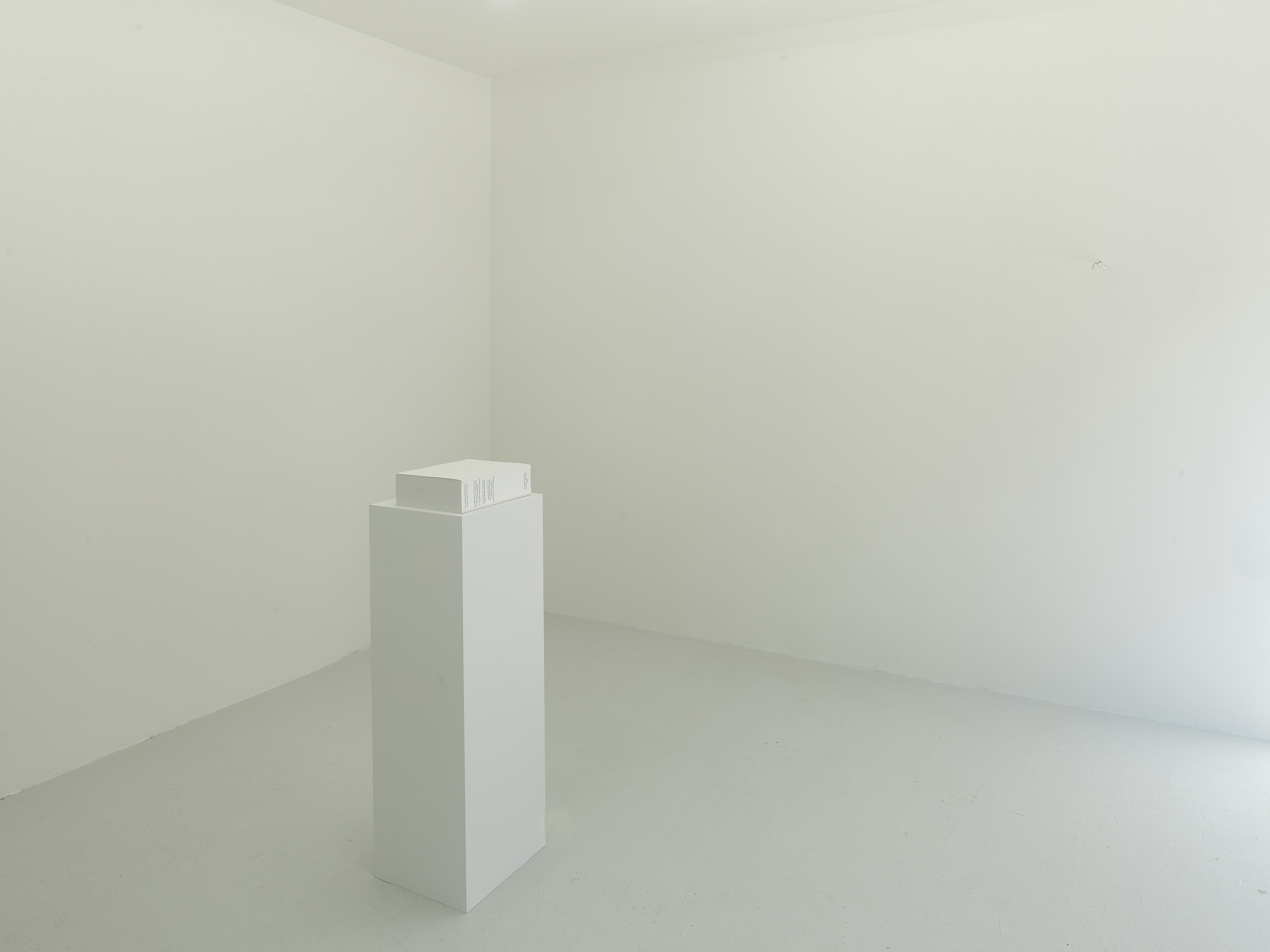
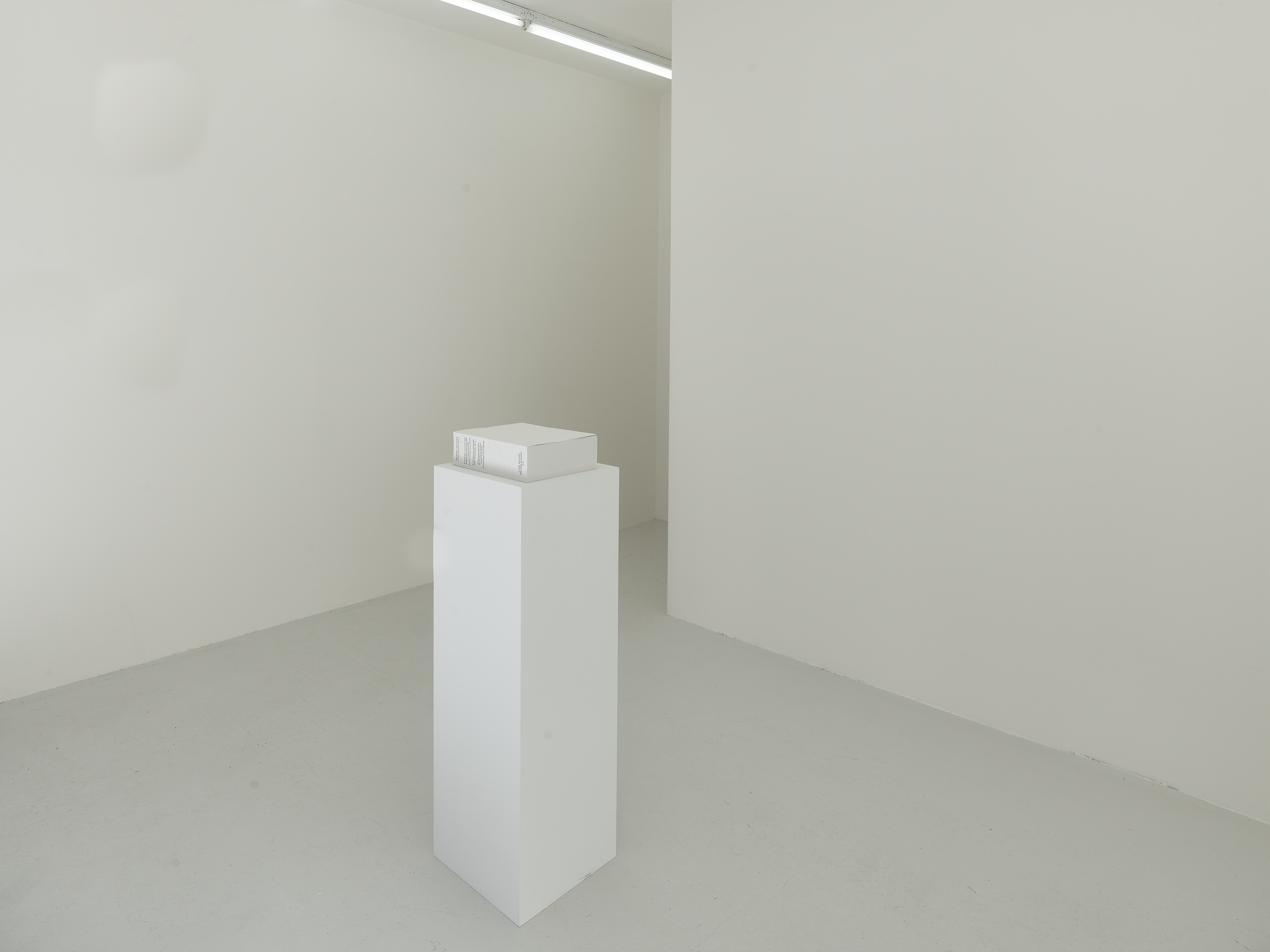
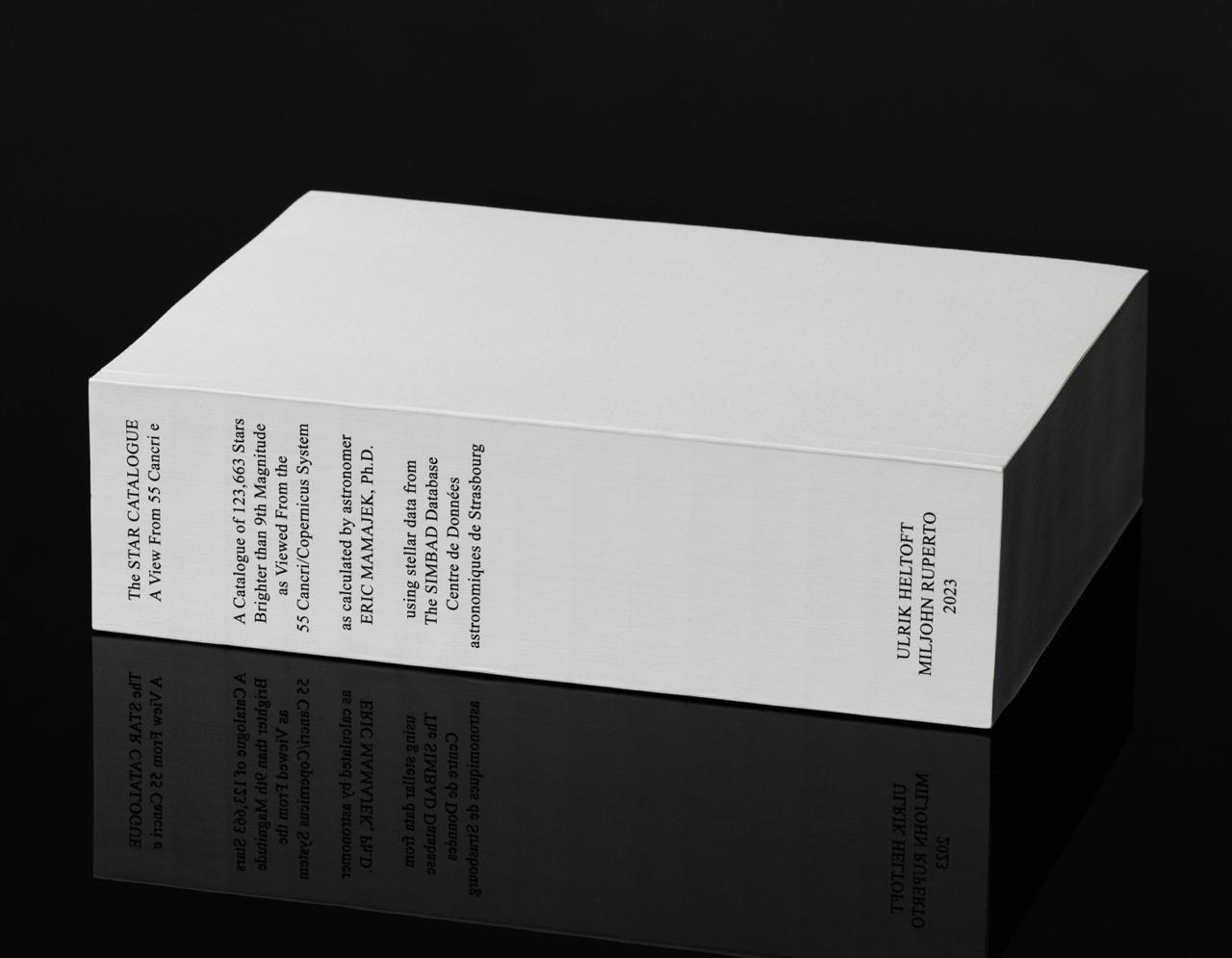
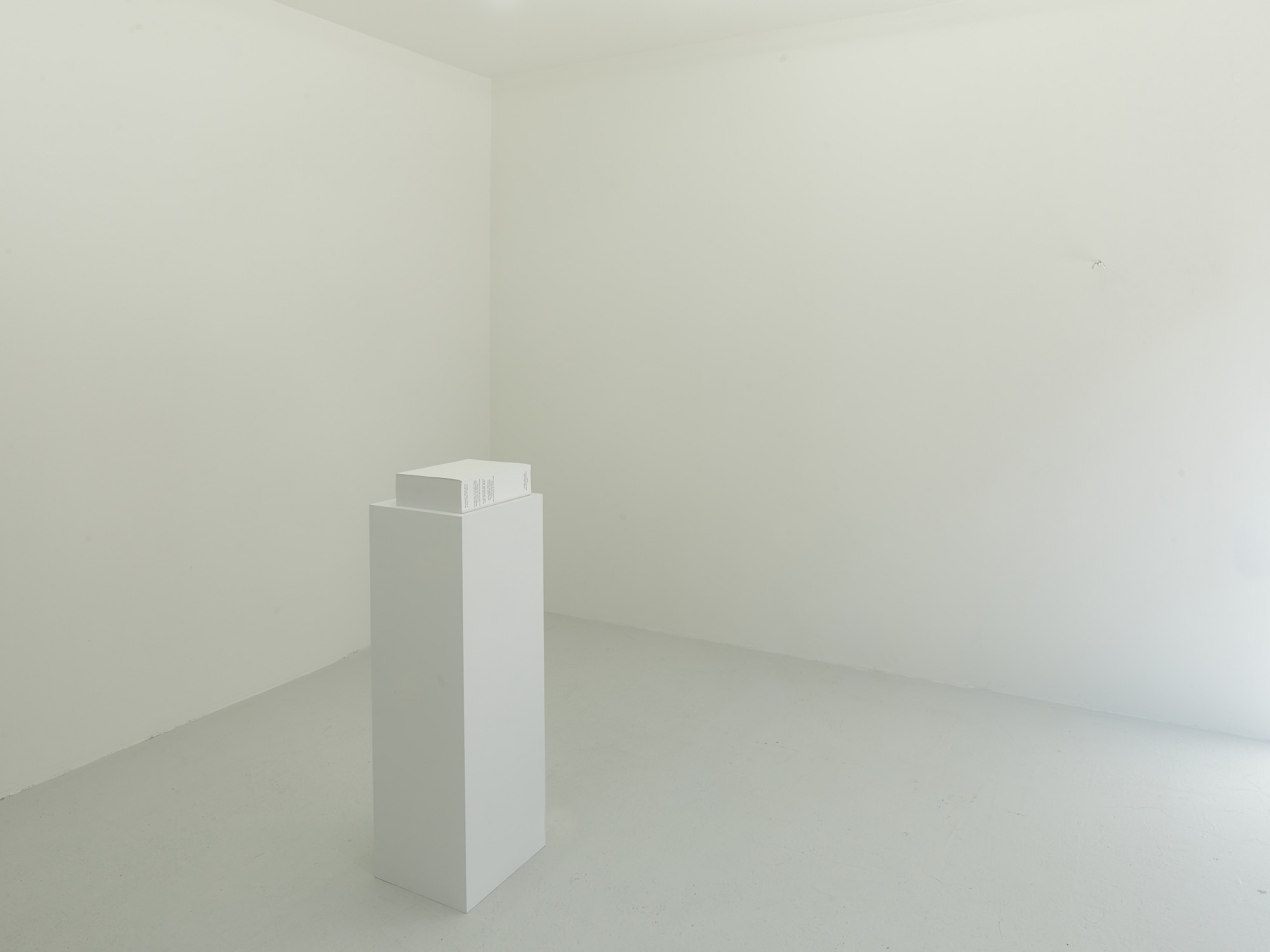
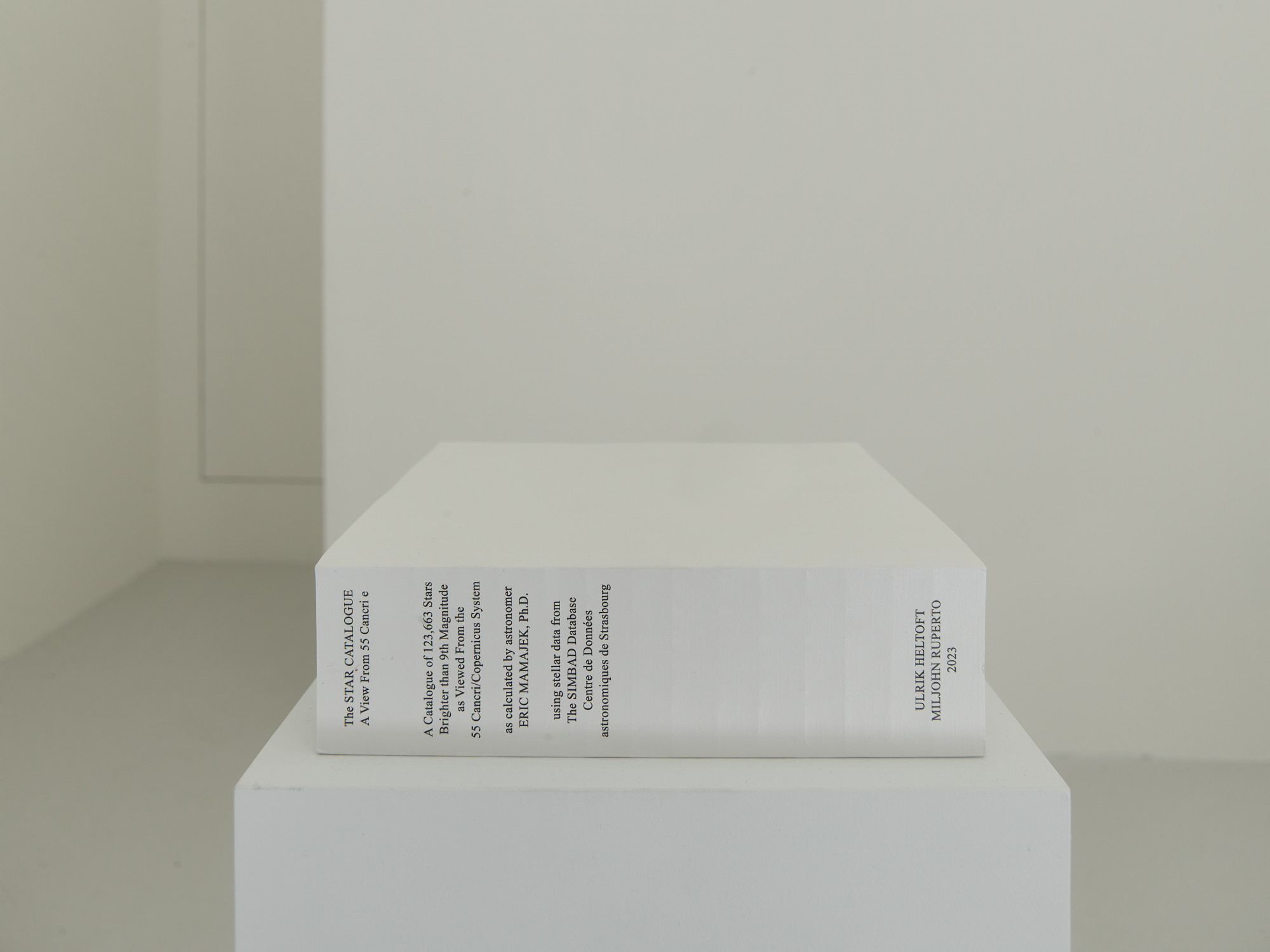
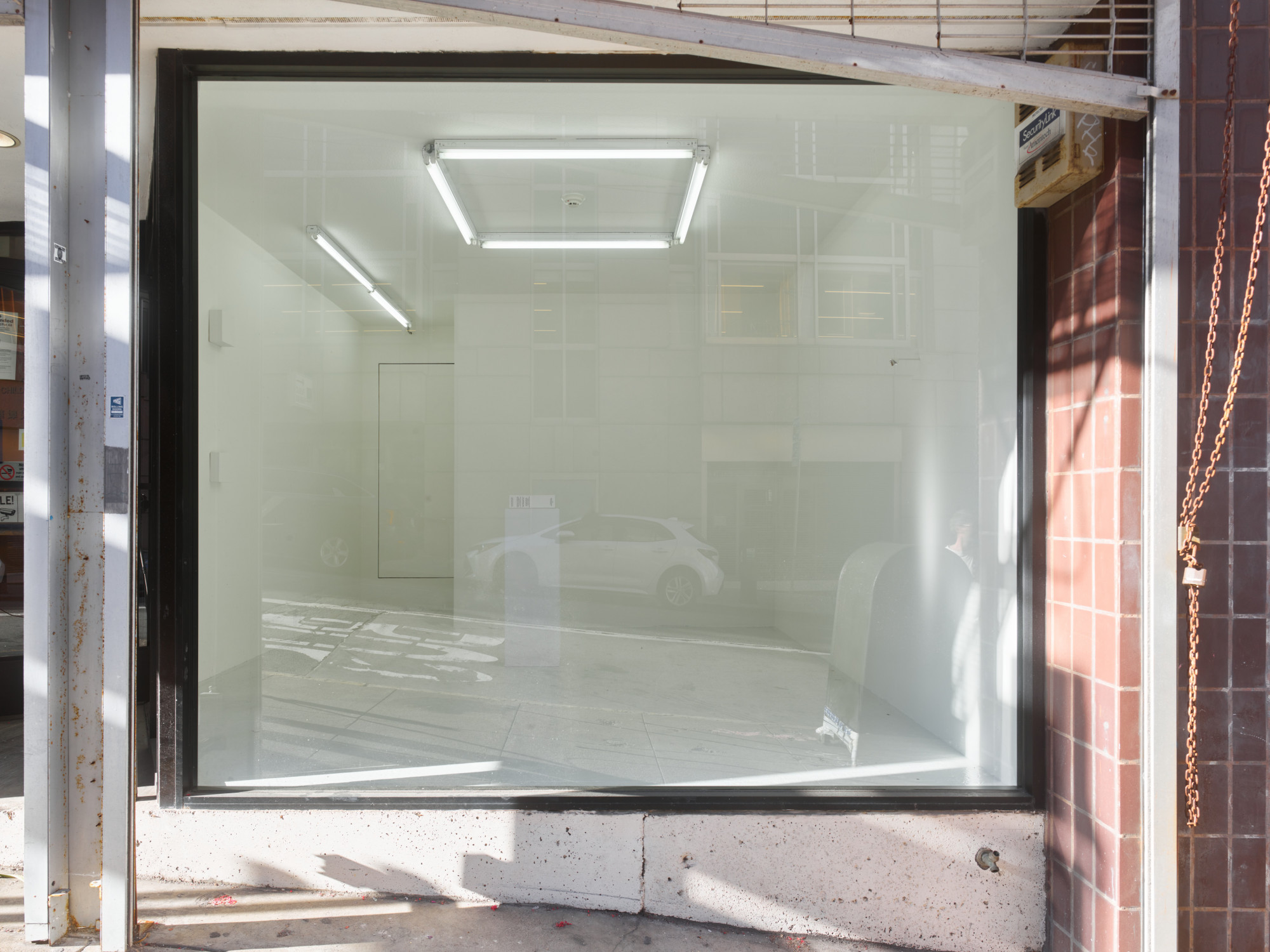
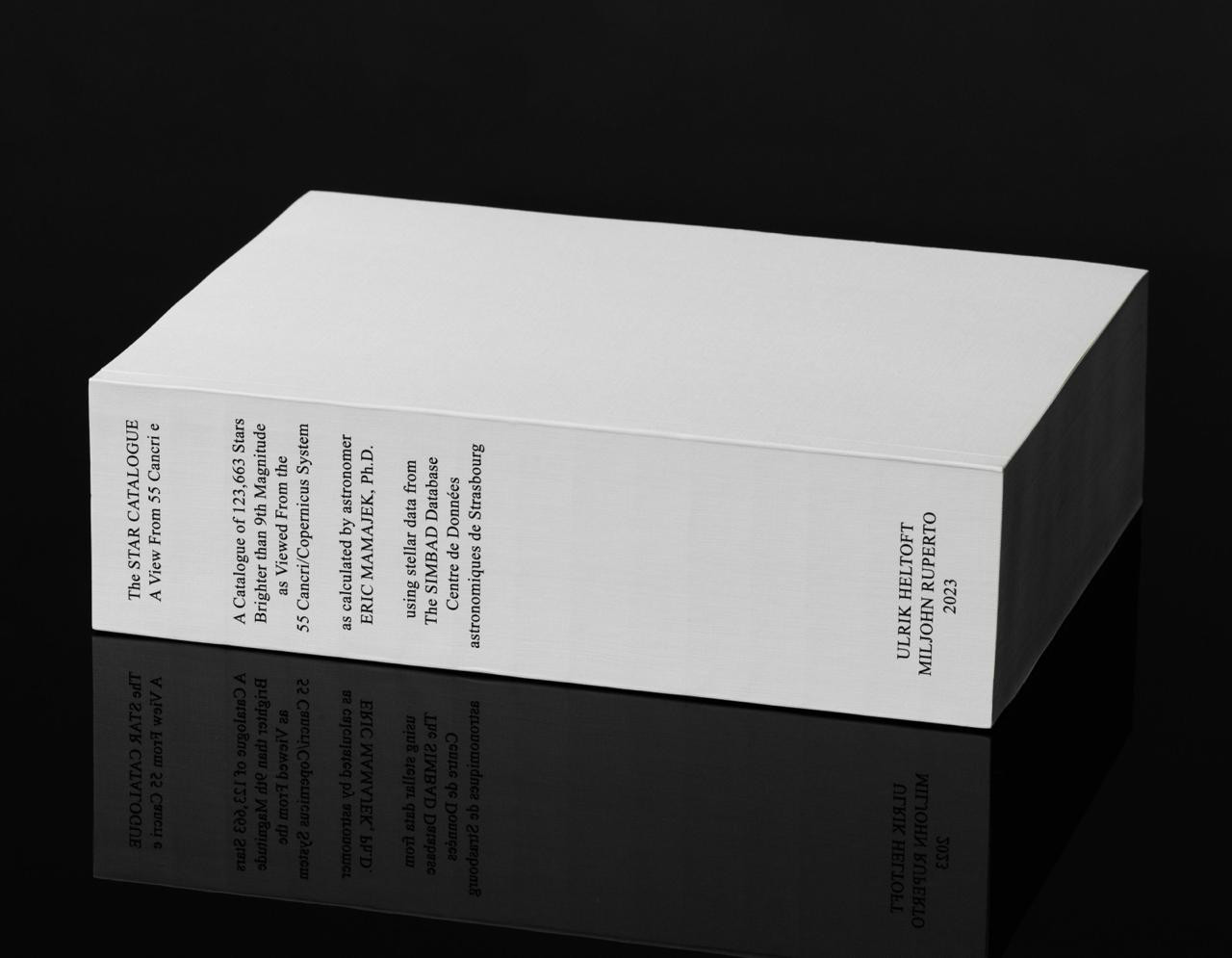
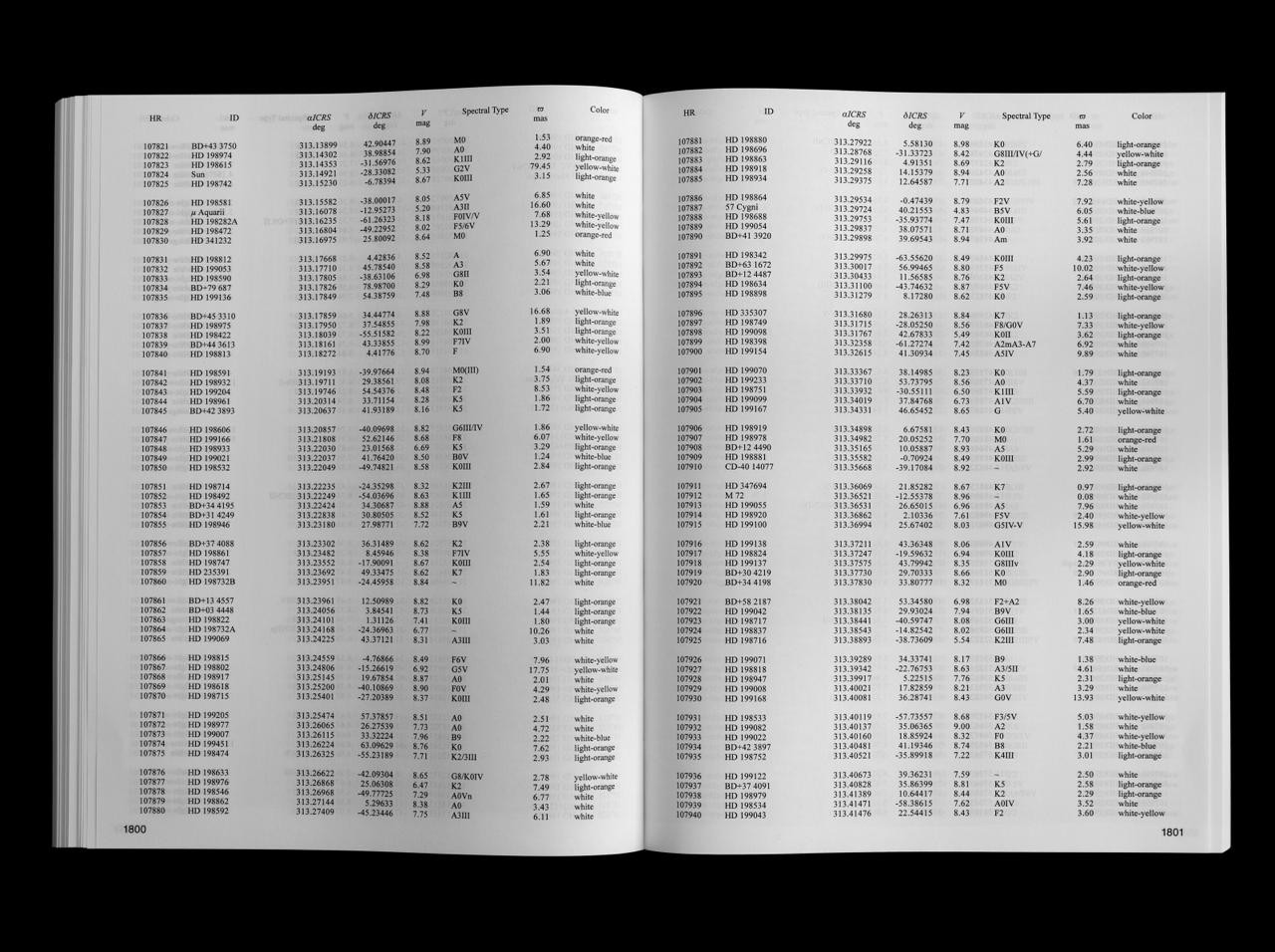
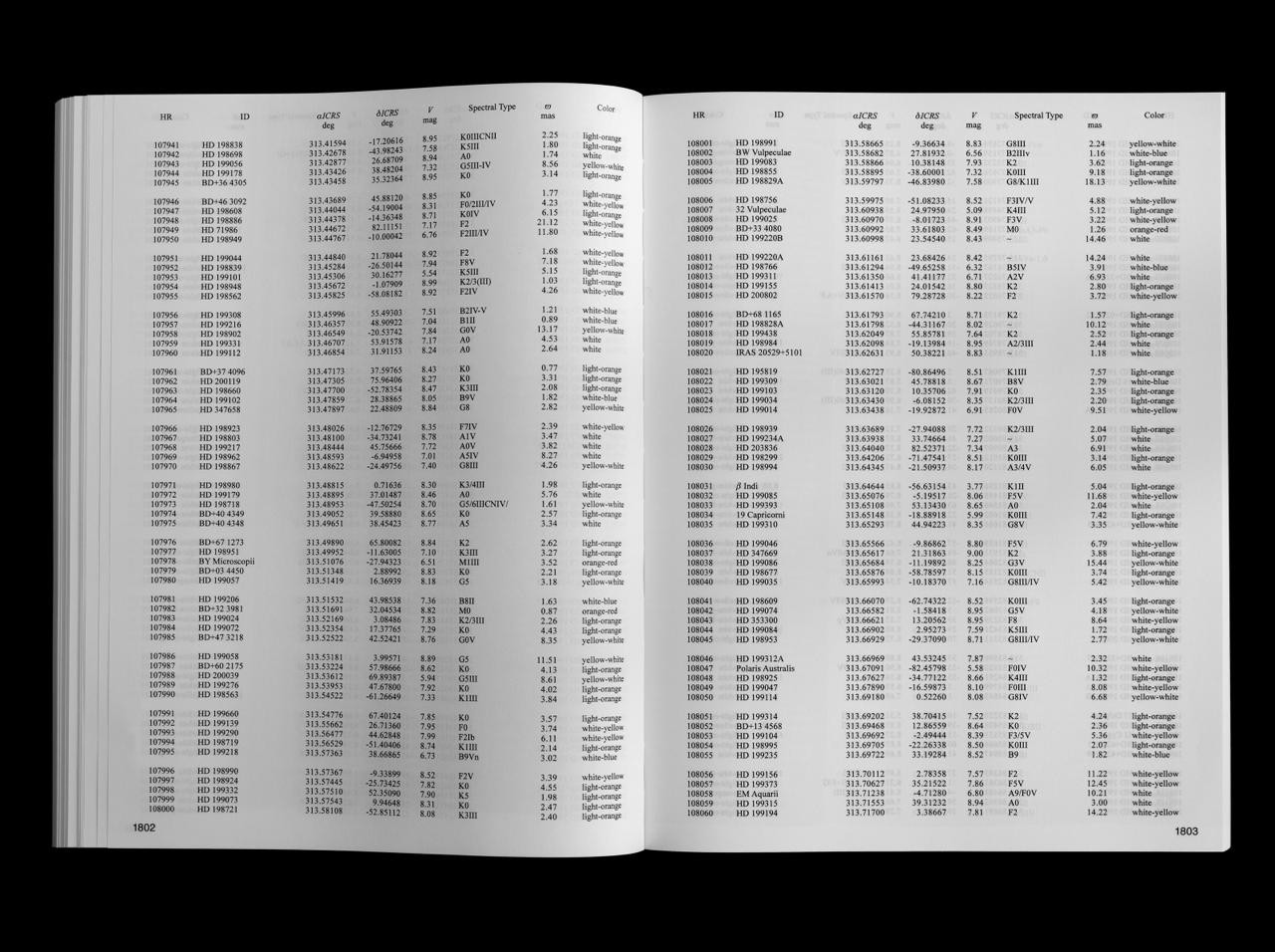
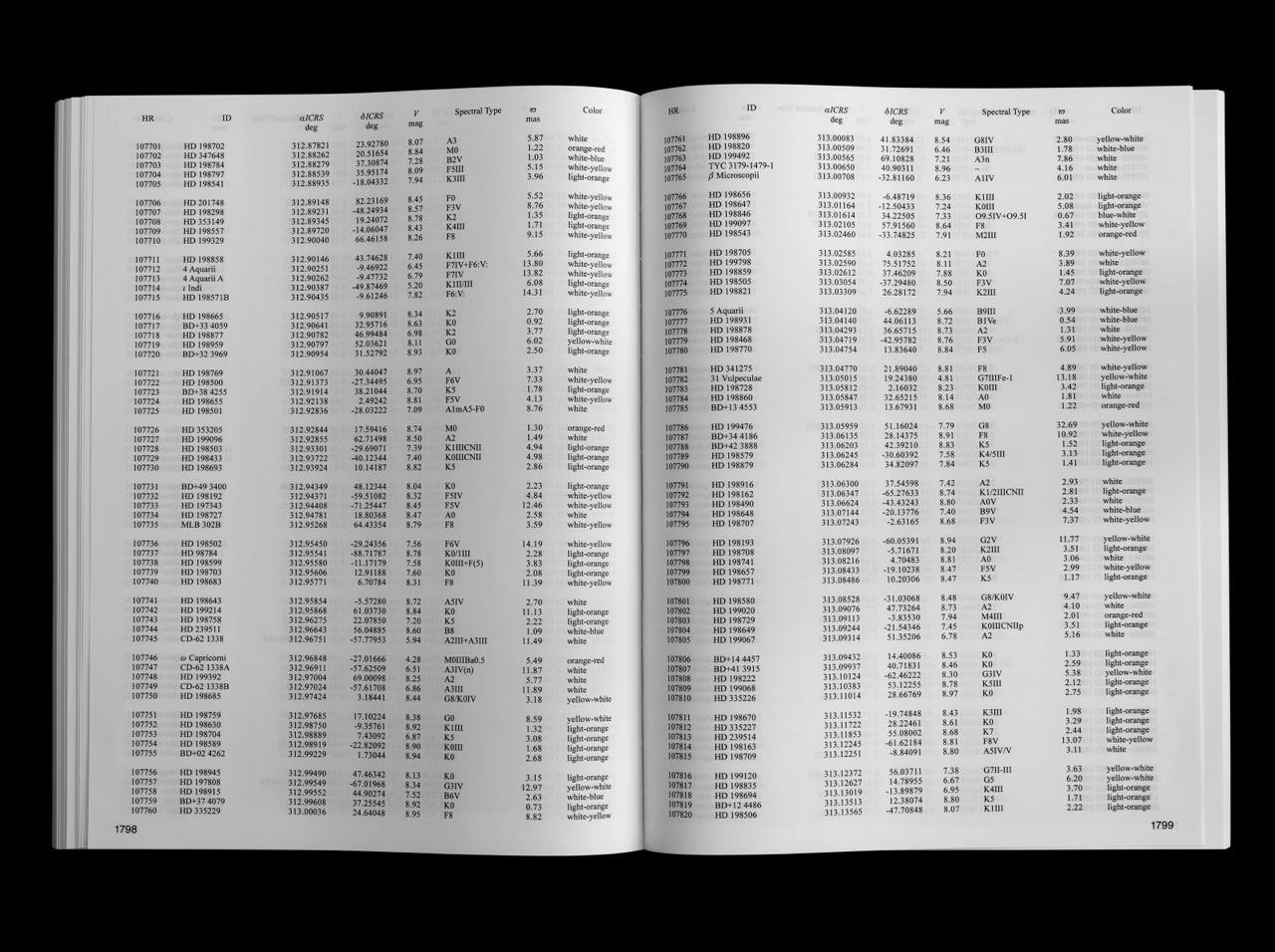
The two artworks in this exhibition picture contradistinctive versions of infinity. The first is a two-thousand-page star catalogue, displayed flat and snugly on a pedestal. The austere and imposing publication was made in collaboration with artist Miljohn Ruperto and charts the positions and qualities of 123,663 stars, as calculated by astronomer Eric Mamajek. While the format of the book mimics that of a standard Star Catalogue, appearing as an unintelligible directory of numerical codes, the artist has shifted its conceptual core. Rather than an earth-centric map, where the sun remains the origin of all coordinates, all the measurements are calculated from the position of 55 Cancri e, an exoplanet 41 light-years away from our solar system. The sidereal account offers a heady transformation of perspective, grounded in a new, but distant center; from this extra-planetary vantage point, we can peer back at the sun while viewing familiar constellations.
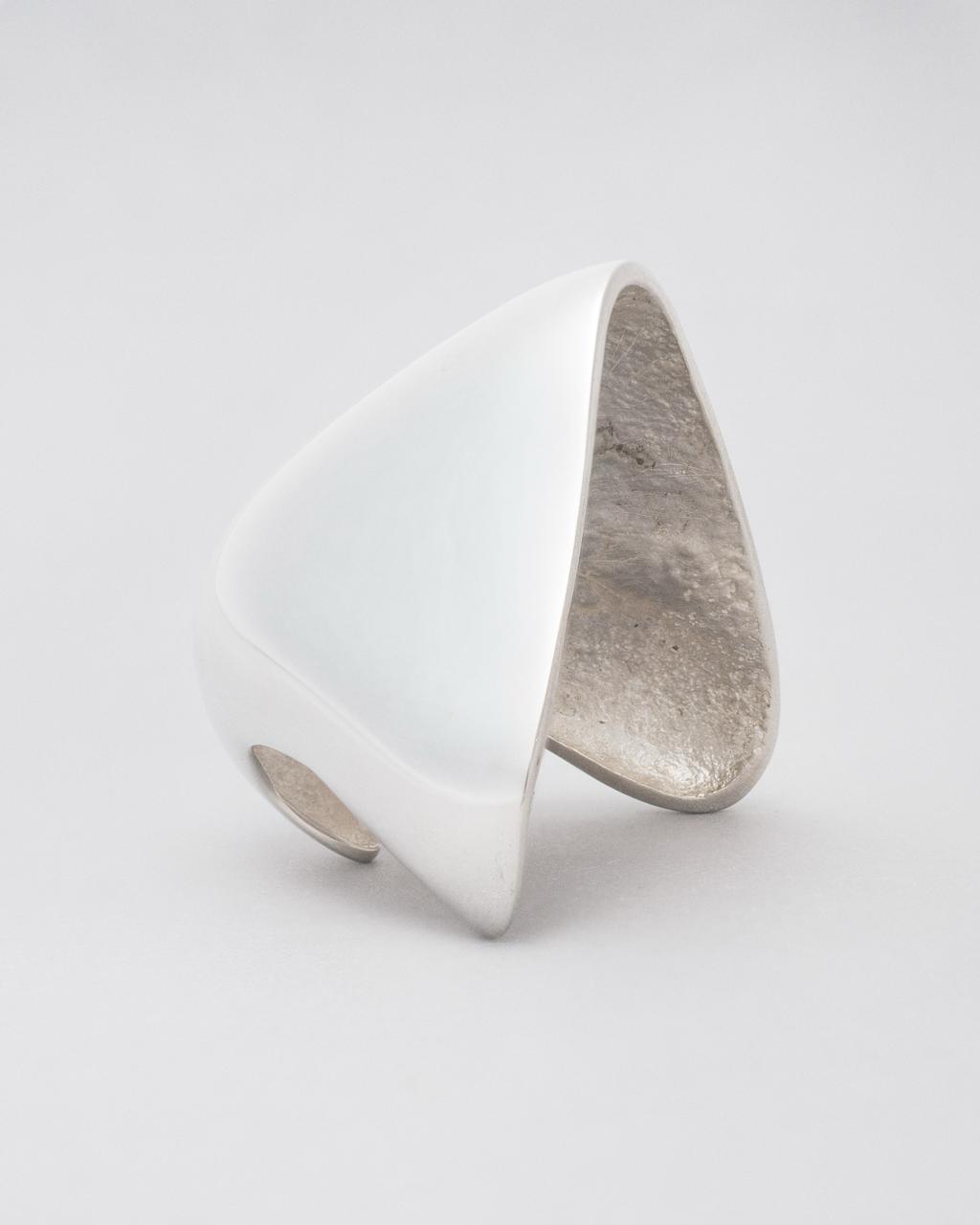
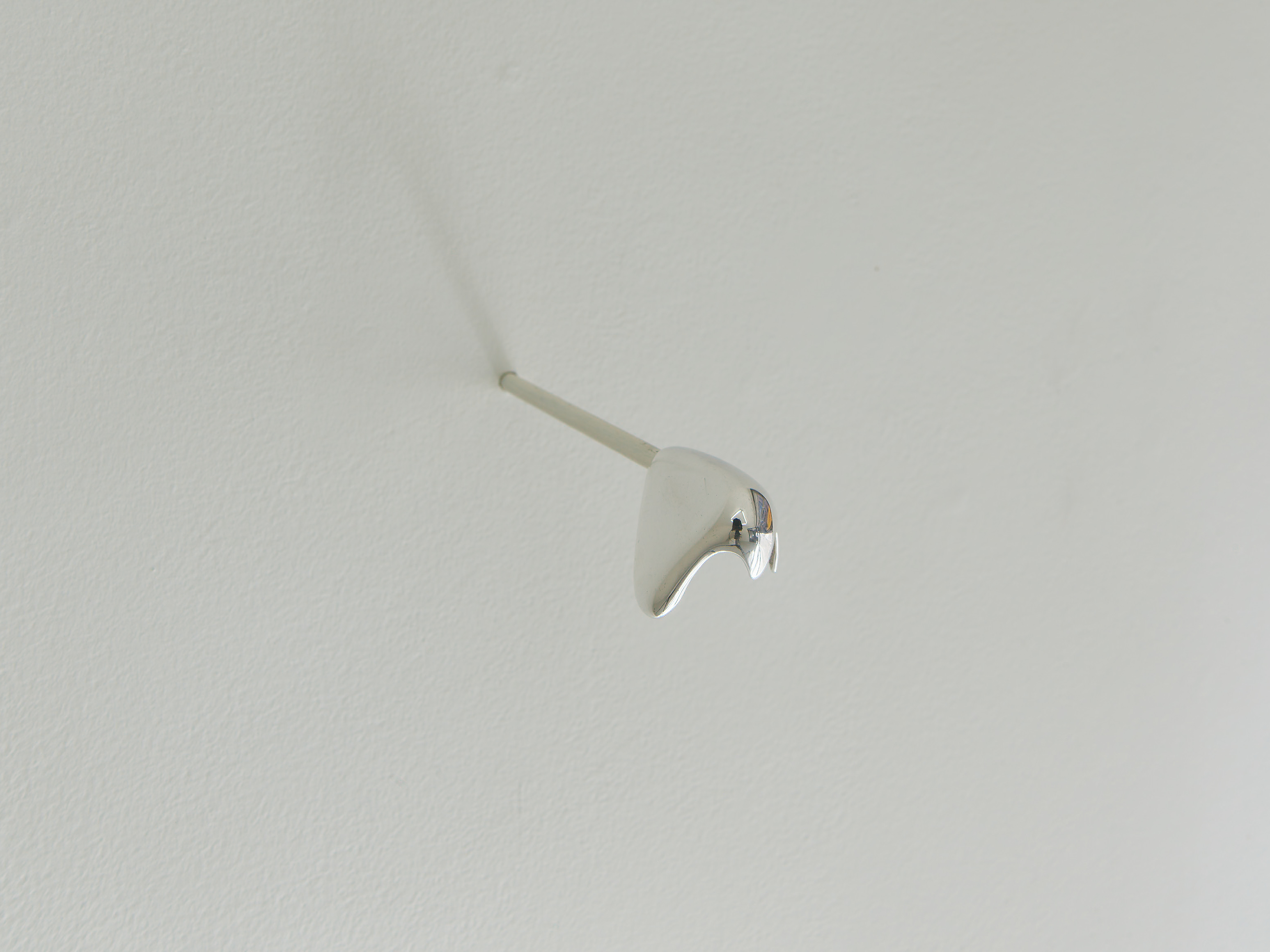
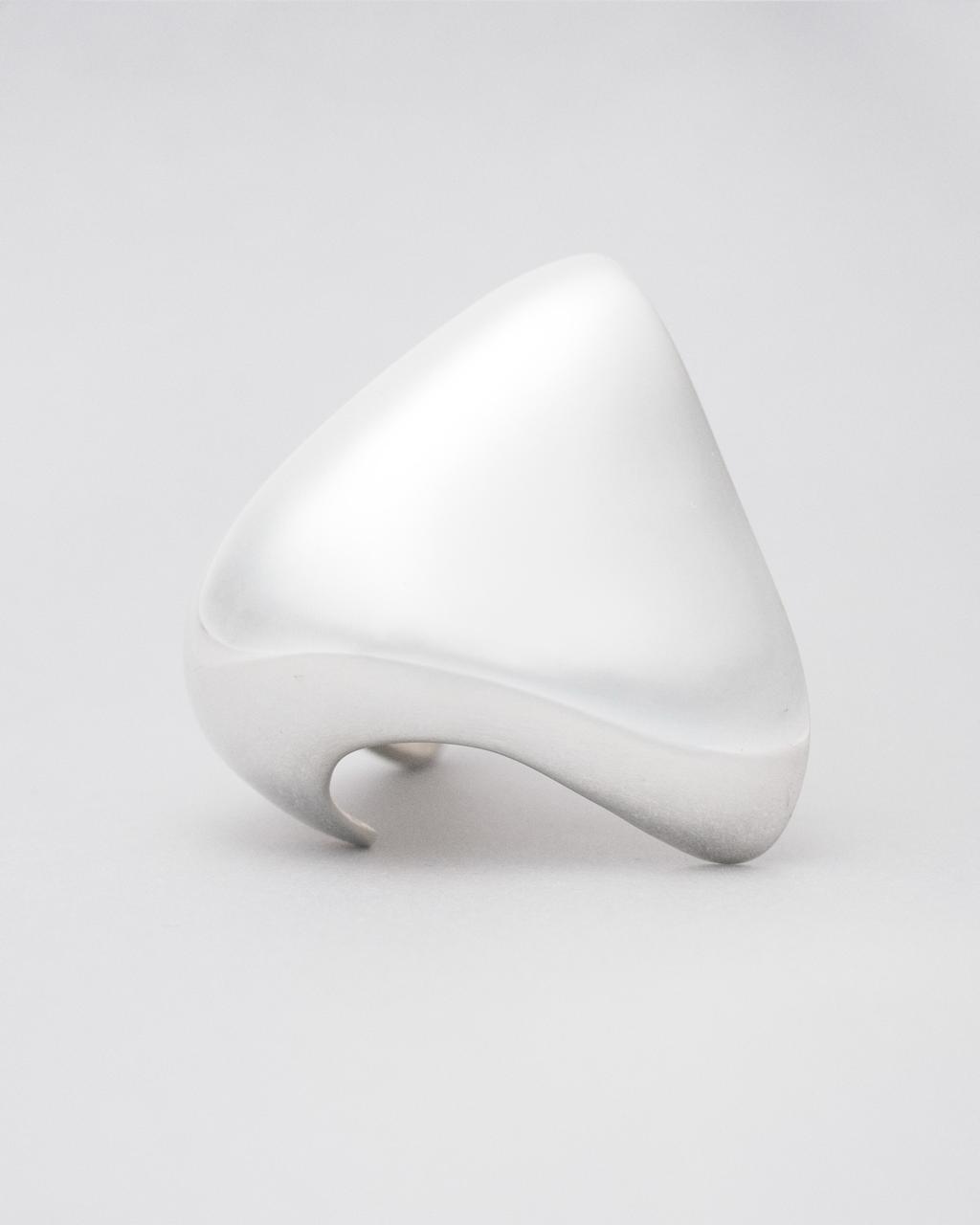
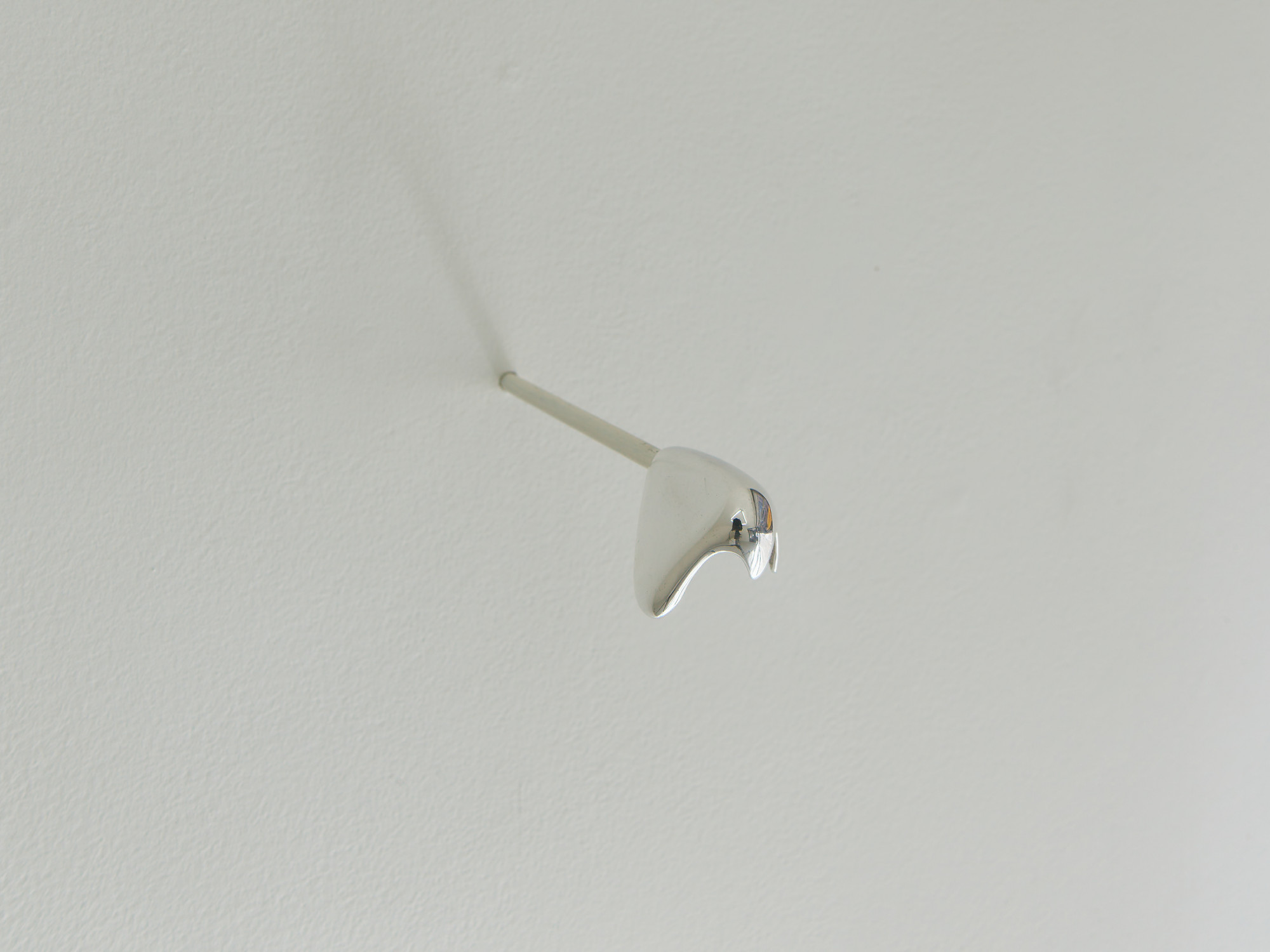
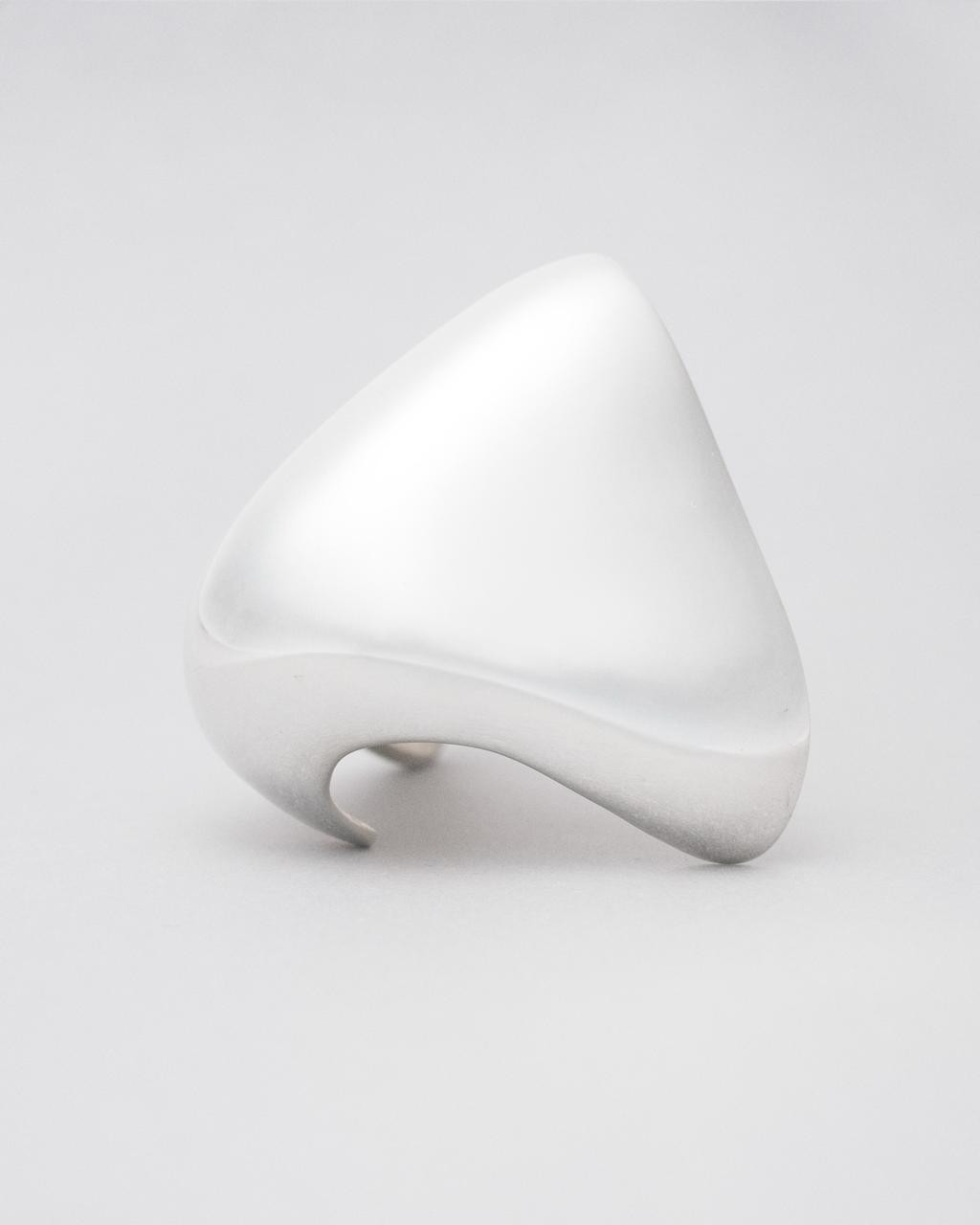
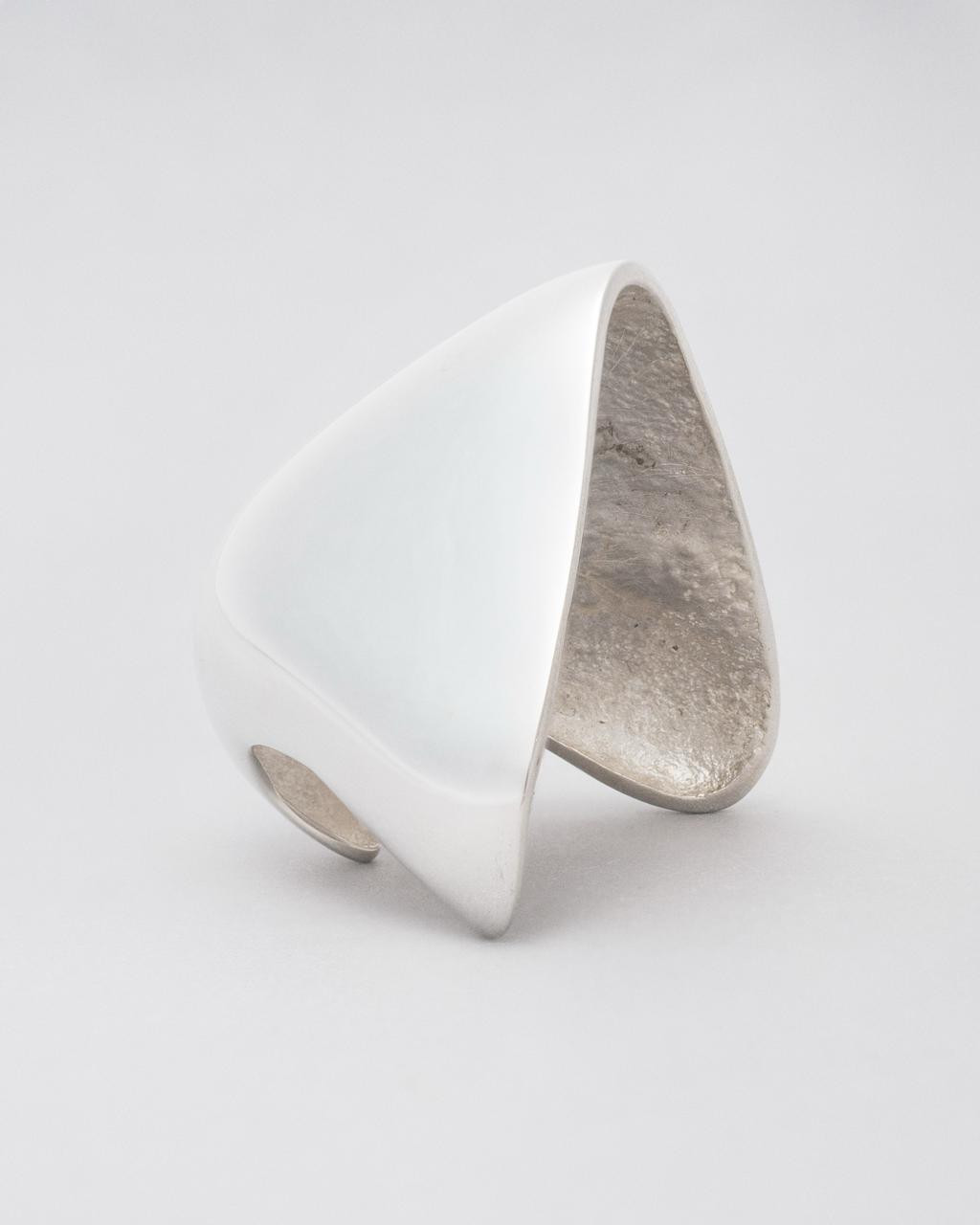
The second artwork, a small silver object made from a cast of the artist’s nose, produces a more embodied experience of infinity, while remaining humorously tethered to the aspiration of star-mapping. While the sculpture’s interior accurately captures the contour and textural eccentricities of Heltoft’s anatomy, the artist has polished the outside to create a smooth reflective surface. The metal stand-in, which droops horizontally over a hook, negates the absorptive character of flesh. Instead, an infinite compression of the objects and activities nearby appear within the curved tip of the nose. And though the refracted elements can also be seen by the eye, the surface’s warping effect destabilizes our view, just as the appearance of the sun alters our perspective of known star-patterns.
- Stella Cilman
On view through April 24, 2026
Micki Meng Chinatown
Photography by Robert Divers Herrick